

Extended Producer Responsibility (EPR) is a step towards enabling circularity by obligating Producers to practice / enable repair & refurb of their products thereby enhancing sustainability. In November 2022, the Ministry of Environment, Forest and Climate Change (MoEFCC) introduced the E-Waste (Management) Rules, 2022 laying down the guiding principles for EPR & Recycling, under the regulation and governance of the Central Pollution Control Board (CPCB) and State Pollution Control Boards (SPCB). These rules are a significant step towards addressing the growing problem of electronic waste in India.
They mandate that all manufacturers, producers, refurbishers, and recyclers register on a designated portal inviting them to be part of "Circular Economy". This registration ensures accountability and traceability in the management of e-waste.
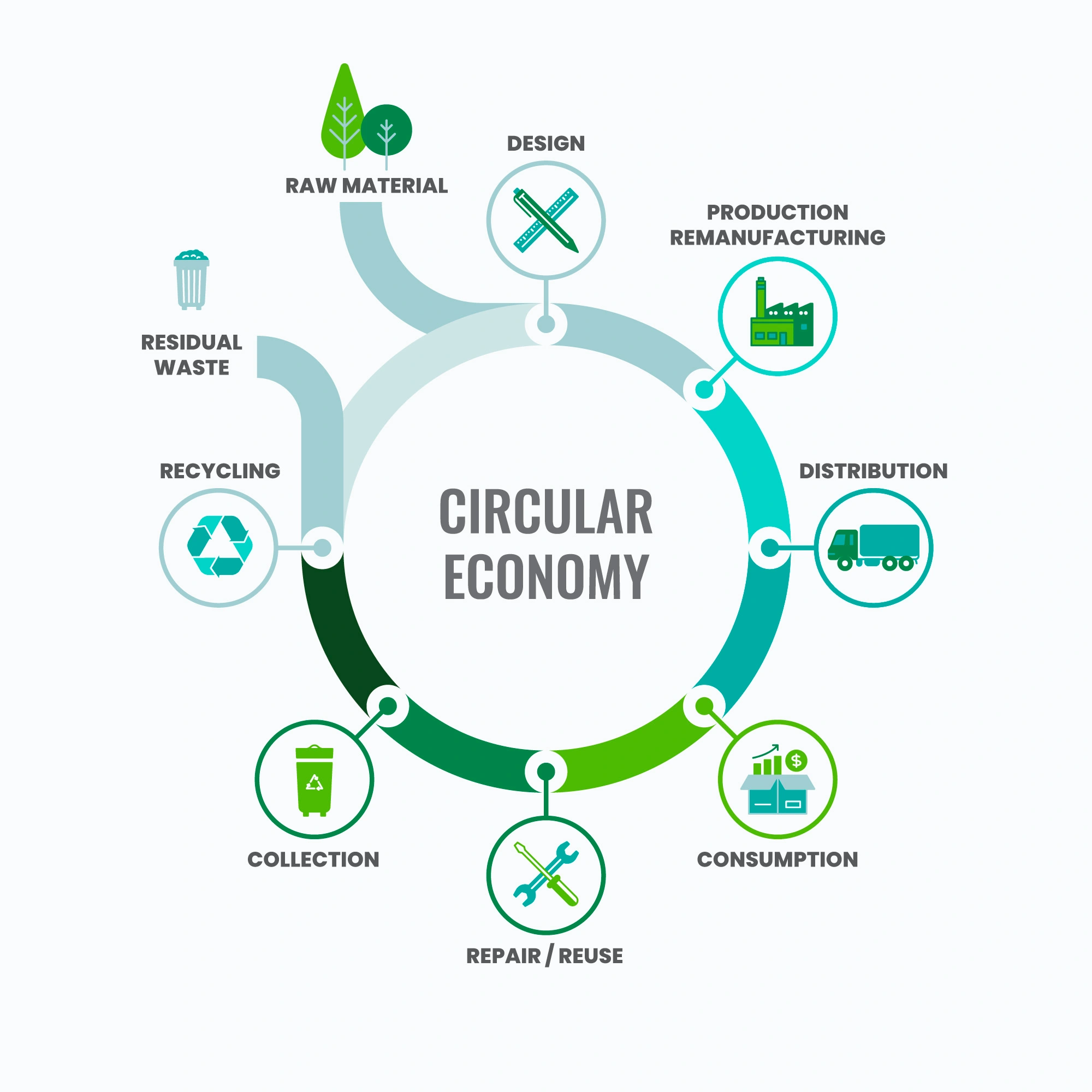
Entities involved in the lifecycle of electrical and electronic equipment must register on the portal under the appropriate category—manufacturer, producer, refurbisher, or recycler. This helps create a comprehensive database.
Registered entities are responsible for collecting e-waste generated during manufacturing, refurbishing, or disposal of their products to ensure proper recycling in an environmentally sound manner.
Covered entities must submit annual and quarterly returns on the portal with detailed information on e-waste collected, recycled, and disposed of. Non-compliance results in penalties.
The E-Waste Rules, 2022 apply to entities involved in various stages of the e-waste lifecycle:
Companies that produce electrical and electronic equipment.
Entities involved in the sale, transfer, or organizational purchase of such equipment.
Businesses that refurbish used equipment to extend its lifecycle.
Facilities that dismantle to recover components or process final disposal of e-waste.
Authorized recyclers who process e-waste to extract reusable materials.
Implementing a strong EPR framework creates massive value:
Creates job opportunities in collection, recycling, and refurbishment activities.
Reduces the environmental impact of hazardous substances found in electronic products.
Recovery of valuable materials like metals to be reused in new products, conserving resources.
Promotes awareness about proper disposal, encouraging responsible behavior.
While the E-Waste Rules, 2022 represent a significant advancement, there are challenges that need to be addressed:
There is a need for more collection centers and recycling facilities to handle the increasing volume of e-waste across regions.
Ensuring that all stakeholders comply with the targeted regulations requires highly robust monitoring and enforcement mechanisms.
Increasing public awareness about the massive importance of e-waste management and the role of consumers is crucial for EPR success.
In conclusion, the E-Waste (Management) Rules, 2022 are a comprehensive approach to managing e-waste in India. By involving all stakeholders and promoting sustainable practices, these regulations aim to mitigate the environmental impact of e-waste and foster a true circular economy.